Field Guide
The Long Island Clamming Guide
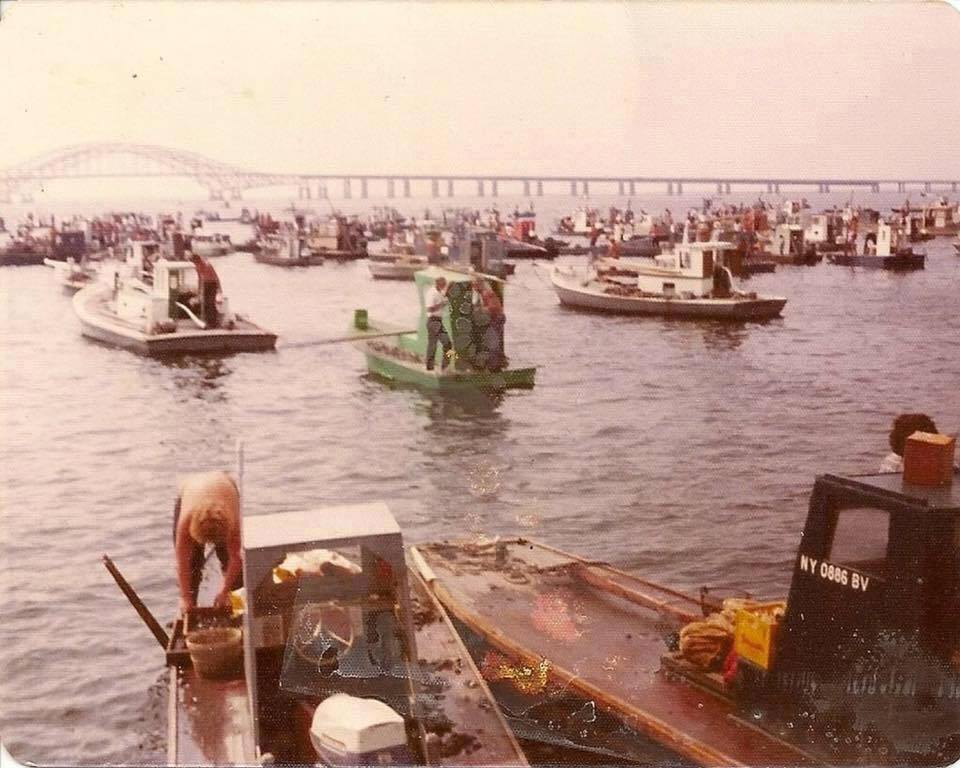
Wading into the shallows with rake in hand is a Long Island tradition that connects generations to the bay. Here's everything you need to get started.
Report ViolationsWhat You'll Need
- •A clam rake (short-handle for wading, long-handle for deeper water)
- •A bushel basket or mesh bag
- •Waders or old sneakers
- •A valid town clamming permit and NY State Marine Permit
- •Sunscreen, hat, and water
Best Locations
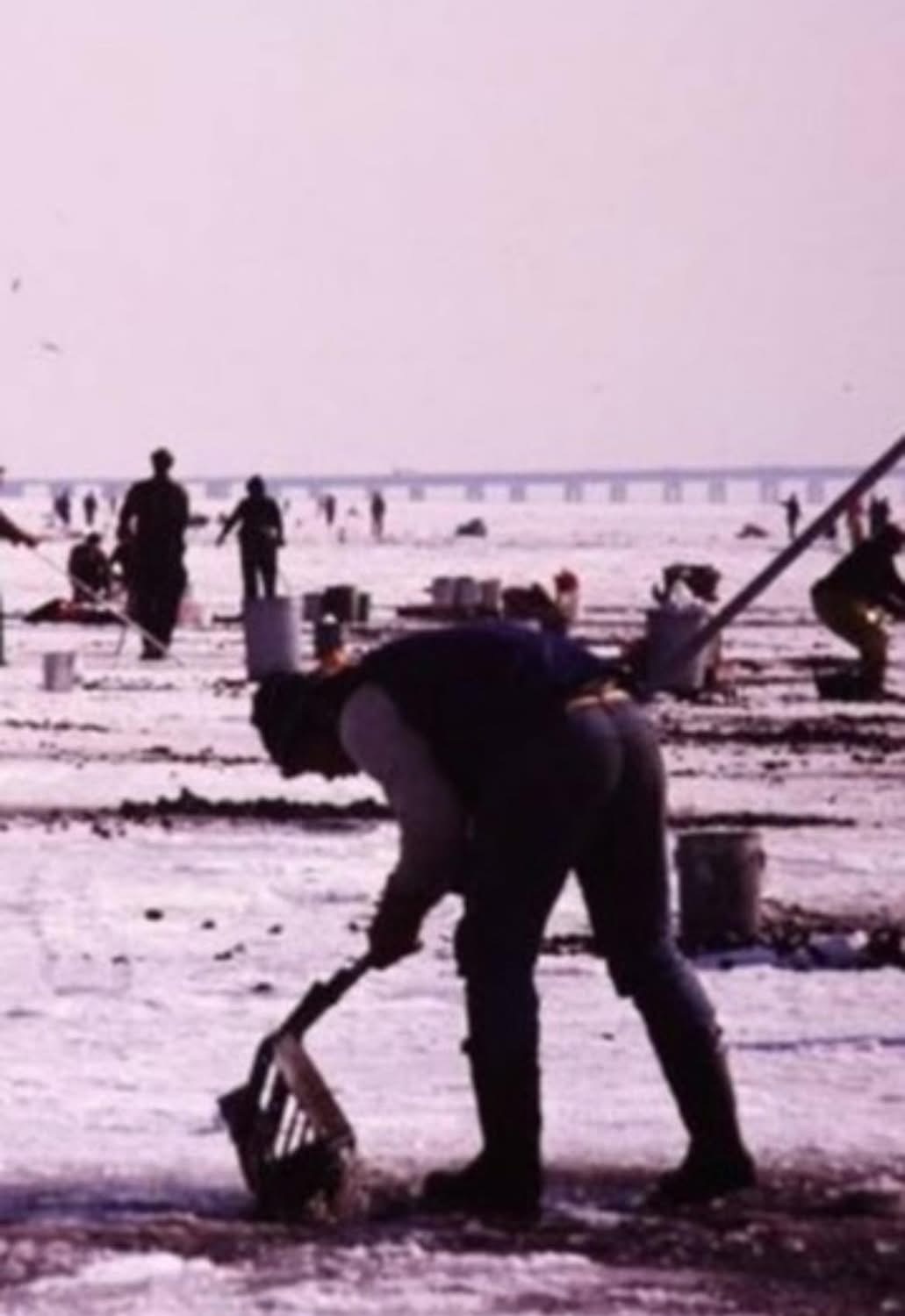
Long Island's south shore bays — Great South Bay, Moriches Bay, and Shinnecock Bay — are prime clamming territory. The sandy-mud bottoms at 2–4 feet of depth are ideal for hard-shell clams (quahogs). Town beaches and designated shellfish areas are your best bet for a productive outing.
Check with your local town clerk's office for maps of approved clamming areas. Some zones are closed seasonally for conservation or water quality reasons.
Technique
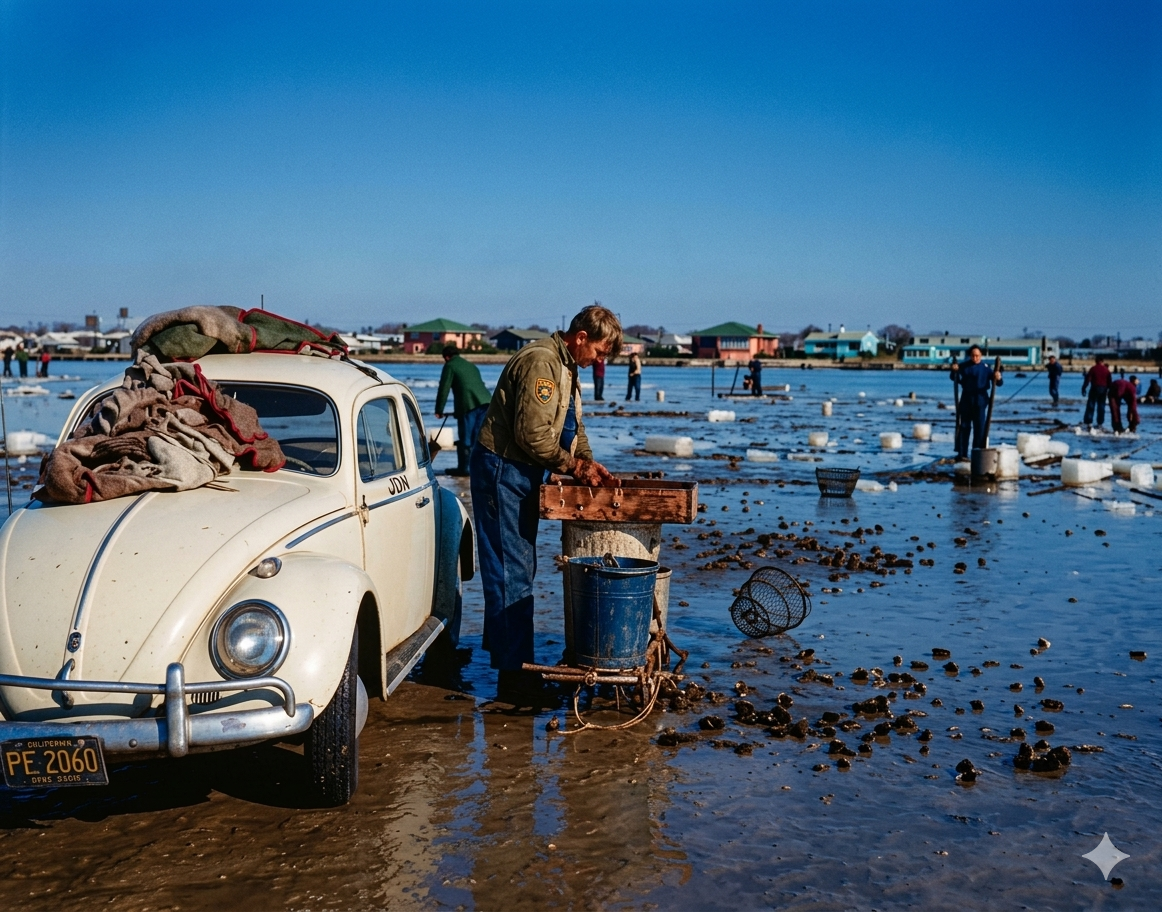
Wade out to knee-deep water at low tide. Push your rake into the sand at a shallow angle and pull toward you in short strokes. You'll feel clams as a distinct "click" against the tines. Littlenecks (the smallest legal size) are prized for raw eating, while cherrystones and chowders are perfect for cooking. Most towns require a minimum shell width of one inch.
Check Open Waters
Before heading out, always verify that your target area is open for shellfish harvesting. The New York State Department of Environmental Conservation maintains an interactive Shellfish Mapper showing real-time closures and seasonal restrictions across Long Island waters.
NYS DEC Shellfish Mapper →Need a Permit?
Find your town's permit and shellfish rules in the directory below.
Jump to Permits by Town →Stewardship
Regulations & Permits
A town-by-town directory of clamming permits and shellfish regulations across Long Island. Regulations change — always verify with your town clerk before heading out.
Common Long Island Shellfish Species
- •Hard Clams (Quahogs)
- •Oysters
- •Bay Scallops
- •Mussels
- •Razor Clams (limited areas)
Important Notes
- •South Shore towns generally offer more recreational clamming opportunities than North Shore towns.
- •Western Long Island bays experience more contamination closures due to population density and boating traffic.
- •Eastern Suffolk waters are generally cleaner and support larger shellfish industries and aquaculture programs.
- •Many towns actively participate in shellfish restoration programs.
- •A NY State Marine & Coastal District Recreational Permit may also be required.
Official Map
NYSDEC Public Shellfish Mapper
Live state map of certified, uncertified, and seasonally closed shellfish lands. Always check here before harvesting — closures change with rainfall and water quality.
